
The Hidden Costs of Poor Drainage in Johannesburg Buildings
When Rain Turns Risky
Johannesburg, with its iconic skyline and bustling suburbs, is no stranger to the whims of sudden summer downpours. While most residents enjoy the lush greenery that follows, many property owners remain unaware that heavy rainfall is more than just an inconvenience—it can quietly erode the very foundations of their buildings. Poor drainage systems, clogged gutters, and inadequate rainwater management often translate into structural damage, escalating repair costs, and long-term financial headaches.
Understanding the hidden costs of poor drainage is critical for developers, homeowners, and facility managers alike. In Gauteng, where rainfall patterns can be sudden and intense, even a minor oversight in drainage planning can snowball into foundation problems, damp basements, and compromised building integrity. This article explores the risks posed by inadequate drainage, practical solutions for Johannesburg’s climate, and how proactive measures can protect both your property and your wallet.
The Silent Threat Beneath Your Building
Most building owners consider visible signs like leaking roofs or peeling paint when assessing property risks. Yet, the real danger often lurks below ground. Water that collects around foundations, basements, and low-lying areas can seep into concrete, weaken masonry, and create an environment conducive to mold growth. In Johannesburg, where clay-rich soils are prevalent, water absorption and expansion cycles can exacerbate structural stress.
When drainage systems fail or are improperly designed, the cost is rarely limited to a wet basement. Foundations can crack, structural beams can warp, and concrete can spall. In older buildings, even minor flooding can trigger a chain reaction of deterioration, leading to extensive repairs that could have been prevented with a properly managed drainage system.
Understanding Drainage Dynamics in Gauteng
Gauteng’s rainfall pattern is distinct: the city experiences short but heavy showers, especially during summer months. These downpours produce rapid water accumulation on streets and properties, often overwhelming conventional drainage systems. Understanding how water behaves on your property is the first step toward effective management.
Surface Drainage
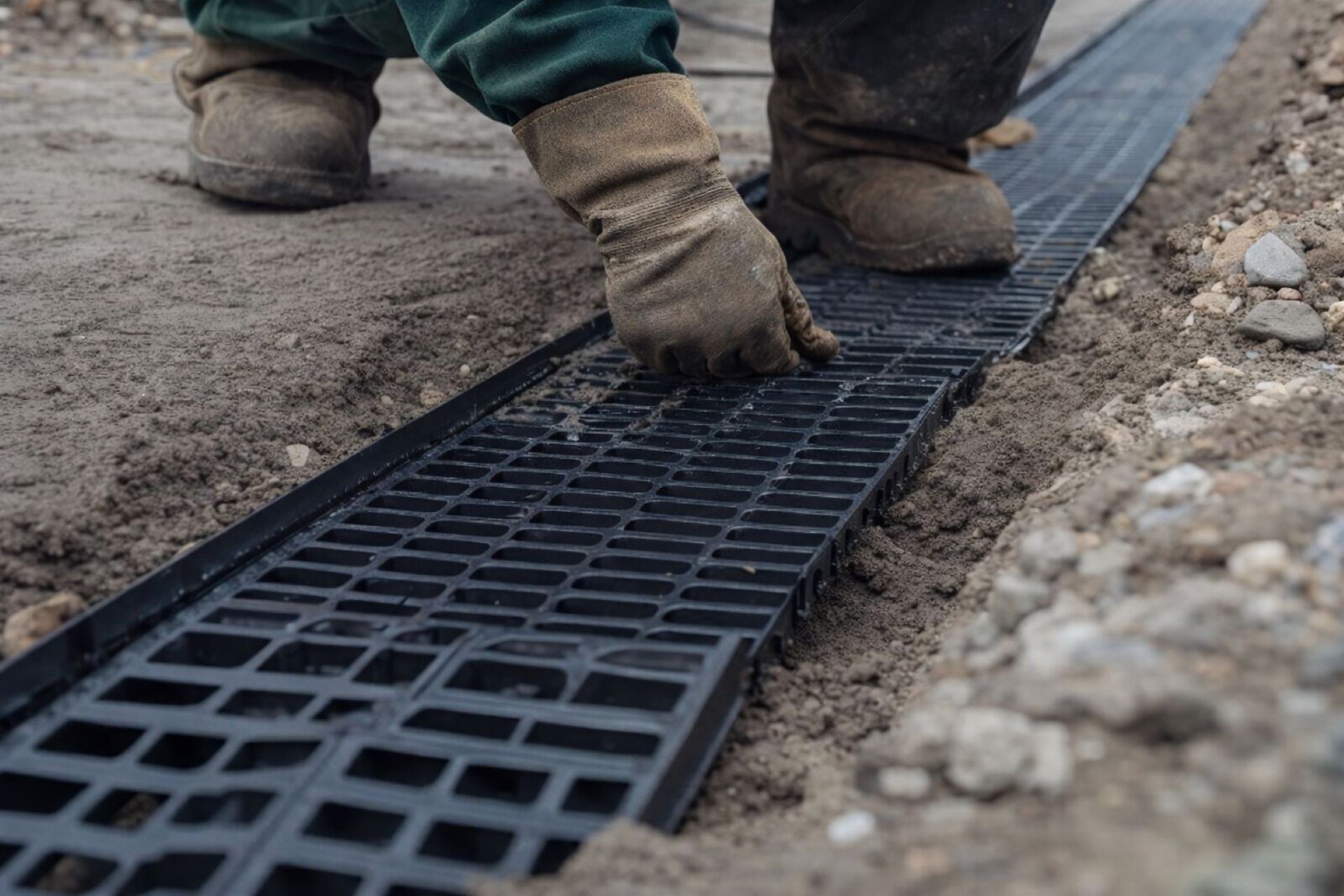
Surface drainage involves guiding rainwater away from roofs, walkways, and paved areas to prevent pooling. Inadequate slopes, blocked drains, or poorly positioned downspouts can allow water to collect near foundations. Over time, this can lead to soil erosion, foundation settlement, and increased hydrostatic pressure against basement walls.
Subsurface Drainage
While surface water is visible, subsurface water is far more insidious. Rising damp and capillary action allow moisture to penetrate through concrete and masonry. Subsurface drainage systems, including French drains or perforated pipes, redirect water before it reaches vulnerable areas. In Johannesburg, installing subsurface drains around high-water tables can be critical for maintaining building integrity.
Common Drainage Failures in Johannesburg Buildings
Recognising the typical signs of drainage failure can save property owners substantial repair costs. Common problems include:
Clogged Gutters and Downspouts: Leaves, dust, and debris can obstruct rainwater flow, causing overflow directly against walls.
Poor Roof Runoff Management: Without adequate eaves or drainage channels, water cascades onto foundations, eroding soil and masonry.
Improper Land Grading: Sites not sloped away from buildings can trap water against the structure.
Neglected Subsurface Drainage: Even well-maintained surface drains are insufficient if subsurface water remains uncontrolled.
Each of these failures can amplify the effects of heavy rainfall. In Gauteng, where sudden storms are common, an overlooked gutter or blocked pipe is not just inconvenient—it’s potentially catastrophic.
Practical Tips for Effective Drainage Systems
Prevention is always more cost-effective than repair. Implementing an integrated drainage plan ensures rainwater is managed efficiently, reducing stress on foundations and extending the life of the building.
Gutters and Downspouts
Gutters are the first line of defense. Choosing durable materials, regular cleaning, and ensuring downspouts direct water at least 1.5 meters away from the foundation are essential. Adding leaf guards or mesh filters reduces maintenance frequency and prevents clogging.
Roof Runoff Control
A properly pitched roof ensures water is directed toward gutters and away from vulnerable walls. Installing drip edges, fascia boards, and splash blocks can further protect foundations from erosion. Rainwater harvesting systems also offer the dual benefit of storage for non-potable use while reducing runoff pressure on drainage systems.
Ground Grading and Landscaping
The slope of the property should direct water away from the building. In Johannesburg’s undulating terrain, even minor adjustments in grading can dramatically reduce water pooling. Landscaping with permeable surfaces and strategic vegetation helps absorb rainwater while maintaining aesthetic appeal.
Subsurface Solutions
French drains, sump pumps, and perforated piping systems capture water before it reaches foundations. For properties with basements or underground parking, installing these systems during construction or retrofitting older buildings can prevent moisture ingress and structural damage.
Maintenance: The Key to Longevity
Even the most advanced drainage systems fail without proper upkeep. Property owners must develop a maintenance routine to inspect, clean, and repair gutters, pipes, and drainage channels. Seasonal inspections before the summer rainy period are particularly crucial in Johannesburg.
Regular monitoring allows early detection of erosion, pooling, or leakage. Proactive intervention—such as clearing blockages, repairing cracks, or adjusting slopes—prevents small problems from becoming expensive repairs. In this way, maintenance is not just a chore but an investment in long-term property value.
Economic Impact: The True Cost of Neglect
Repairing damage from poor drainage can be far more expensive than preventative measures. Foundation repair, basement waterproofing, and structural remediation in Johannesburg’s urban context often require specialist contractors, materials, and sometimes temporary relocation of occupants.
Insurance premiums can rise, and some damage may not be fully covered if negligence is proven. Additionally, dampness and mold reduce property value, compromise indoor air quality, and can even pose health risks. By contrast, investing in effective drainage systems and maintenance creates measurable long-term savings and preserves the structural integrity of the building.
Lessons from Local Properties
Several Johannesburg developments illustrate the risks and benefits of drainage management. Newly constructed commercial buildings with integrated subsurface drains and optimized roof runoff systems rarely experience foundation issues. Conversely, older apartment blocks with neglected gutters and poor grading frequently require costly interventions, highlighting the tangible benefits of a proactive approach.
Building Resilience Against Rain
In Johannesburg, rainfall is both a blessing and a potential threat. Proper drainage design, routine maintenance, and strategic rainwater management transform buildings from vulnerable structures into resilient assets. Property owners who address drainage proactively mitigate hidden costs, protect investments, and enhance the safety and comfort of occupants.
For developers, facility managers, and homeowners, the message is clear: neglecting drainage today invites expensive structural problems tomorrow. By embracing practical solutions—well-designed gutters, efficient roof runoff systems, graded landscapes, and subsurface drains—Johannesburg buildings can withstand the city’s unpredictable rains with confidence.
Investing in drainage is not just a technical necessity; it’s a safeguard against the hidden costs that threaten the foundations of our city’s homes, offices, and communities.